I help people in tech do what they want.
Hi, I'm Kento. I am that Japanese guy with the thick German accent. And empowering people who feel stuck in their career is what floats my boat.
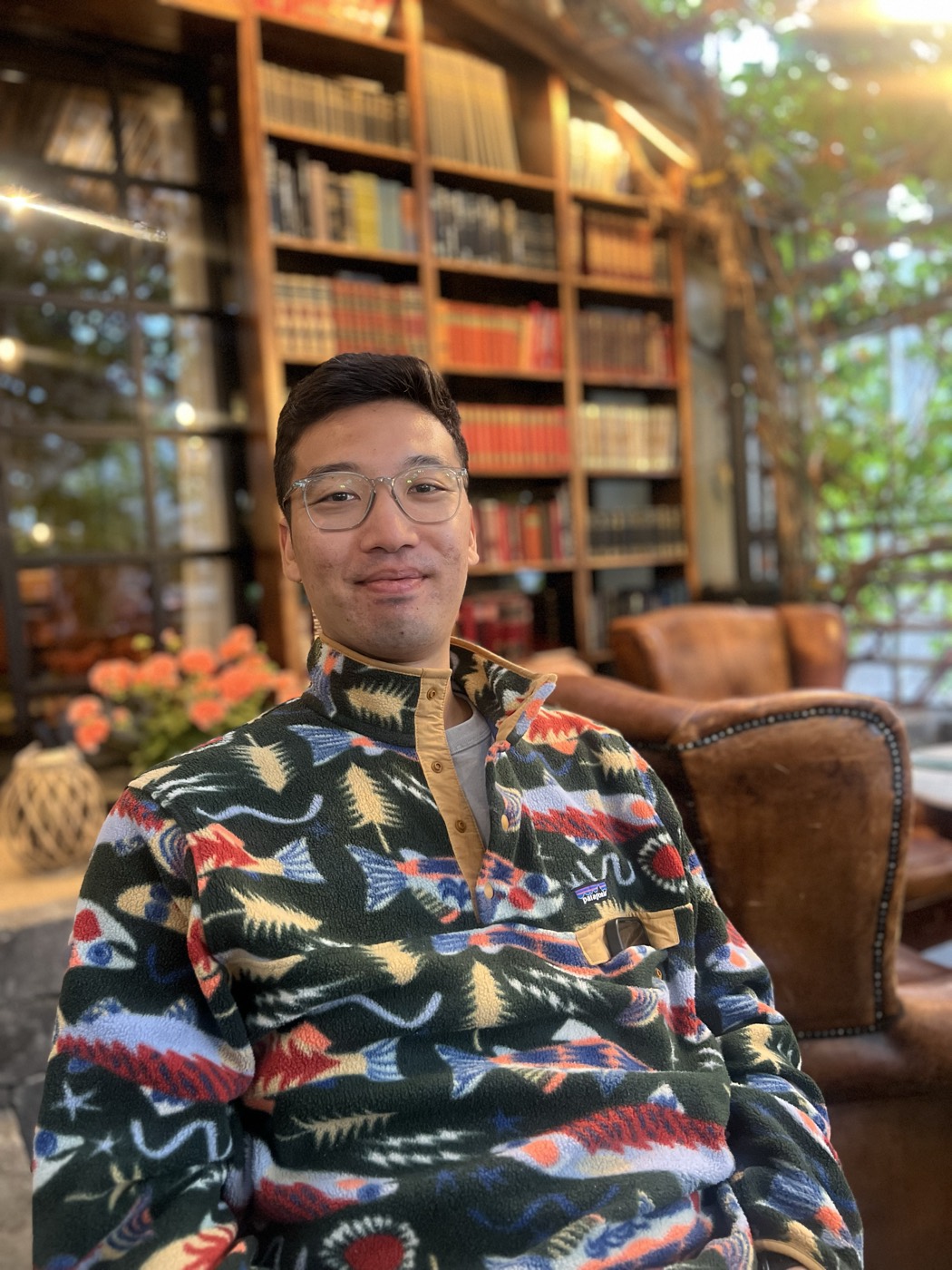
I spent six months knowing I wanted to leave a job and saying nothing, because I could not work out how to admit it without sounding ungrateful.
That is the part nobody warns you about. Working out what you want is the easy half. Saying it out loud, and then acting on it, is where most of us stop.
I was very good at the shoulds
- I should get good grades.
- I should go to a good university.
- I should do the right jobs.
- I should work my way up the tech career ladder.
I was good at all of it. It also left me feeling empty.
My family is Japanese and I grew up in Germany. Nobody ever told me what to study or where to work. But I watched my parents work hard to provide for us, and somewhere in that I picked up the idea that I had to make the most of what I had been given. Wanting something just because I wanted it felt like waste.
Years later I was sitting in my weekly one to one with the CEO. He asked where I saw myself in the company next, and listed some options, including a path towards COO. I could not answer. What I actually said was:
"I'm not sure. I'm open to do anything that helps the company."
I told him I would think about it. I quietly knew that no option filled me with excitement.
There was nothing to point at. No bad manager, no crisis, no burnout. That is what made it impossible to explain to anyone, including myself. And when I was honest about it, the same feeling had shown up in jobs before that one. So it was never really the company.
What kept me there: a stable salary, a title that looked good on my CV, no idea what else to do, and the feeling that leaving would look ungrateful. There it was again.
Clarity was never my problem
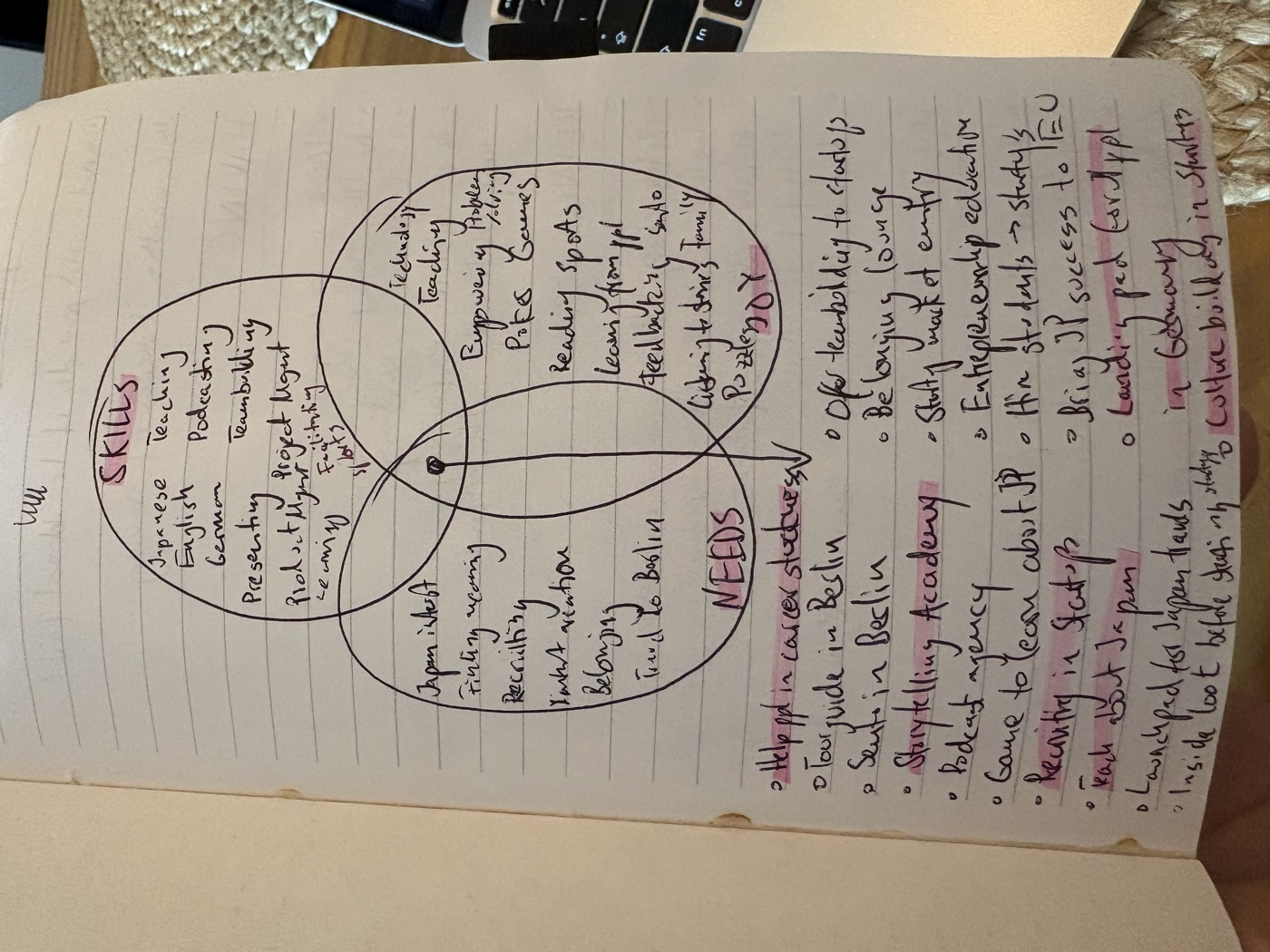
Before that job I had already done the work. I came back from three years in Tokyo and thought hard about finding something that would actually fulfil me. I read the books. I did the career reflection exercises. I talked to friends.
Then I took the stable startup job anyway.
I was afraid of what people would think if I was not in tech. Afraid of starting something that might fail. Afraid of more uncertainty right after moving to a new city. The first six months were good, a new industry and a steep learning curve. When the learning curve flattened, the old feeling came back exactly as before.
I had the clarity and still chose the default.
That is the whole reason Wayfinder exists. You probably do not need another framework. You need permission, and a reason to move before you feel ready.
The thing that finally moved me was fear setting: writing down what I was actually afraid of if I quit, and what I would do to repair it. It is the same exercise I now run with other people. Hearing stories from friends who had successfully made the jump helped a lot too.
I also know what it is like to do what you want
Twice I chose on excitement instead of obligation.
In 2019 I was halfway into a second bachelor's in statistics, on my way to becoming a data scientist, when I joined CDTM and found building things more interesting than the plan. I dropped the degree.
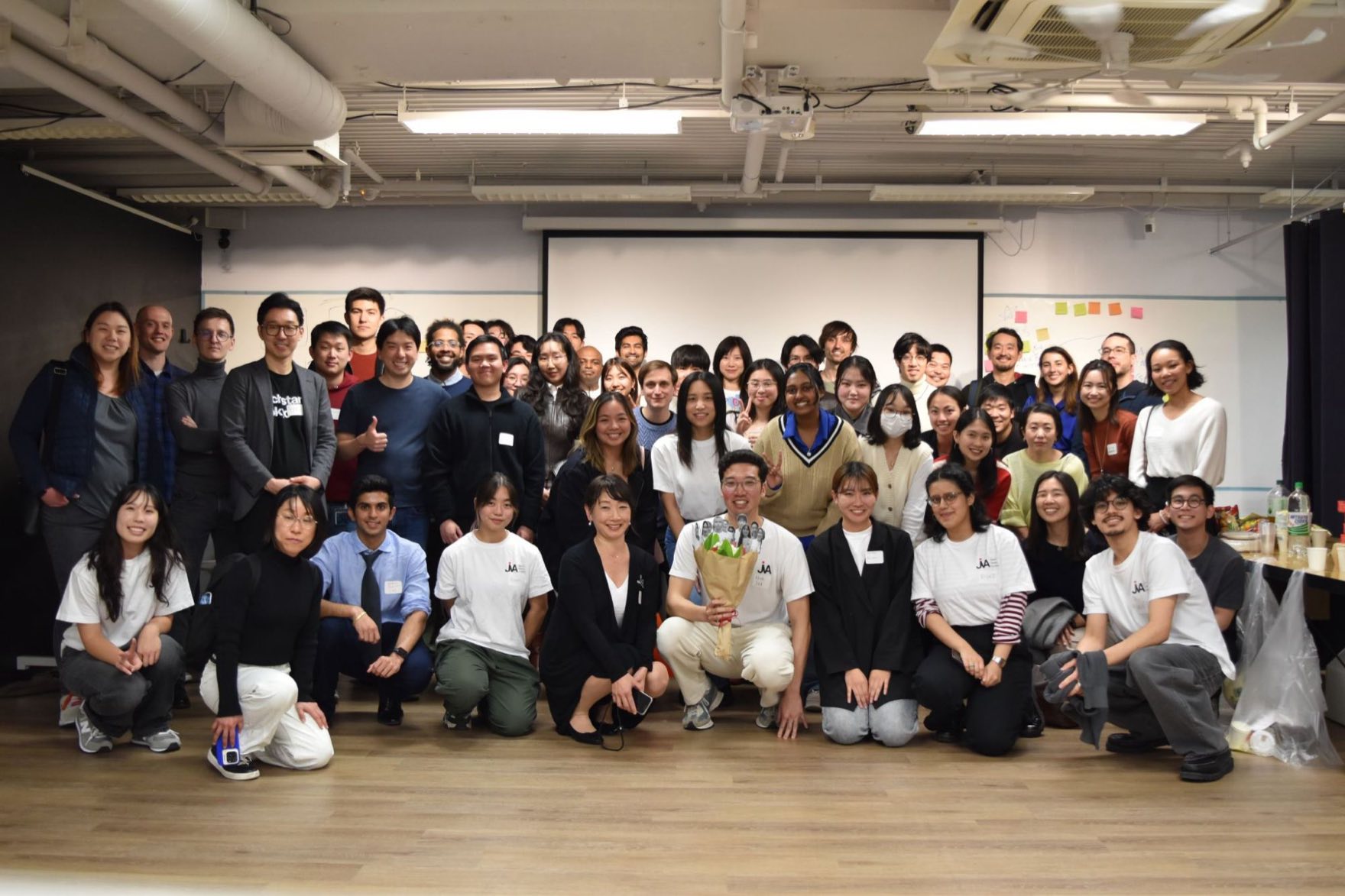
In 2022 I moved to Tokyo and started JVA, a startup accelerator for students. I ran it for three years. More than 100 students came through, across more than seven cohorts, and several VC backed companies came out of it. While I was doing it I watched friends back home earn a lot more than me and get a lot more attention, and I questioned the path constantly. It was still the most fulfilling work I have ever done.
That is where I learned the thing I would most like other people to feel. Being paid to play is real.
I keep collecting other people's versions of it too. I regularly meet people for coffee and lunch to hear how they built their own paths. I find it genuinely inspiring, and it is the best research I know of.
What I bring, and what I don't
I am not a certified coach. I have not done a coaching training, and I am not a therapist.
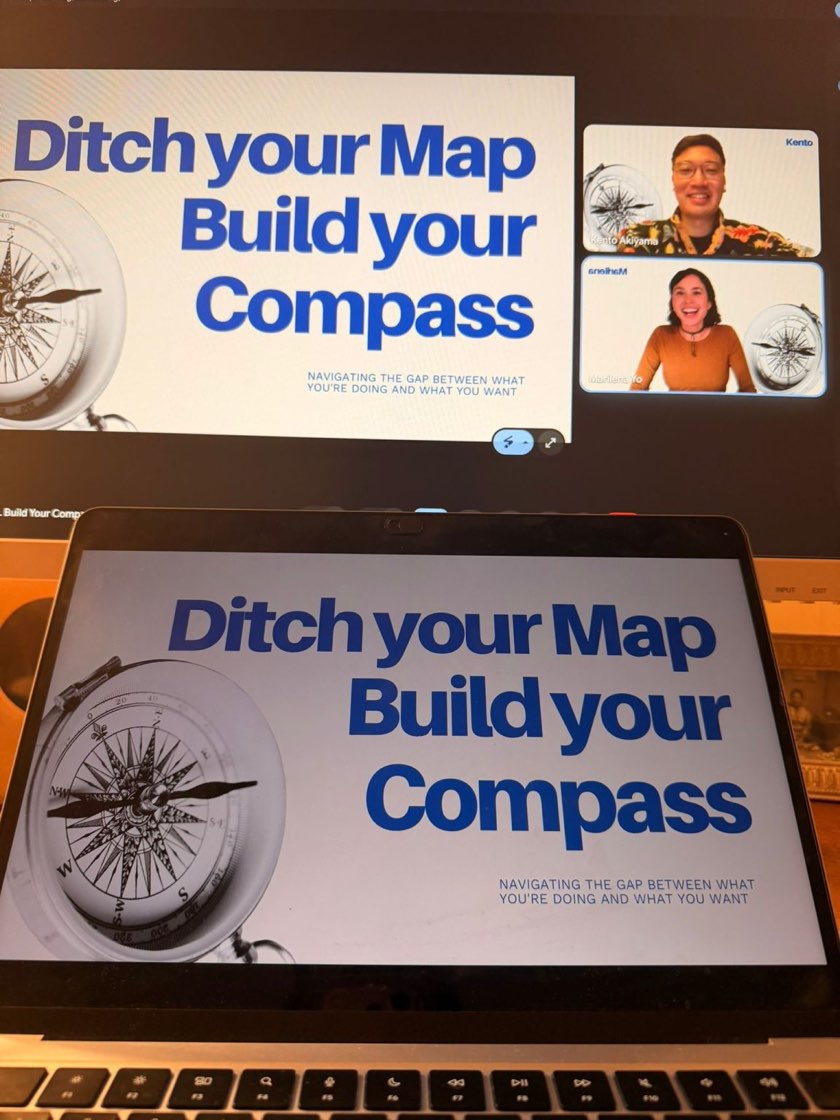
What I have instead is this. Three years and seven cohorts of facilitating small groups towards something concrete, in a foreign country and in my second language. Every exercise I use, I have run on myself first. I read a lot, I have done individual therapy and group therapy, and I am part of Gefühlsschule here in Berlin. I run Less Lost, a free monthly event, partly because I enjoy it and partly because it is how I test this work in public before asking anyone to pay for it.
Facilitating groups I have done a lot of. In terms of career work I have run many Less Lost events so far and worked with a handful of one to one clients, and the first retreat happens in March 2027.
How I work
Design thinking, pointed at your life instead of a product. Name what you are assuming, build the smallest testable version, see what actually happens. You do this at work already. Almost nobody does it with their own career.
Self-acceptance and vulnerability work, because the method is the easy part. Most people already have a quiet sense of what they want. What stops them is that wanting it feels indulgent, or risky, or ungrateful. So we work on that, out loud, usually in front of other people. It is easier to say something true about yourself after watching someone else do it first.
Acceptance creates change. You do not get to a different life by pushing harder against the one you have. You get there by being honest about where you actually are.
This is structured career work. It is not therapy, and I will not pretend otherwise. If something heavier comes up, I will say so and help you find the right person for it. What is said in the room stays in the room, and that includes me.
It is not for you if you want a job search tactic, if you want someone to tell you what to do, if you are in acute crisis, or if you are not willing to put real effort into working out what you want.
Outside of this
I help my mum sell Japanese food at markets around Germany. I play poker now and then, and board games whenever I can get enough people round a table. I play basketball and I run. I listen to too many business podcasts and brainstorm business ideas that will never happen.
The thing I am worst at is giving unsolicited career advice to my sisters. I know. I am working on it.
What I would like to happen
I would like more people to do what they want instead of what they should, and to feel more alive at work because of it.
If that is something you have been circling, here are three ways in, easiest first.